Regensburg, Germany

Physics

Physik

Table of contents
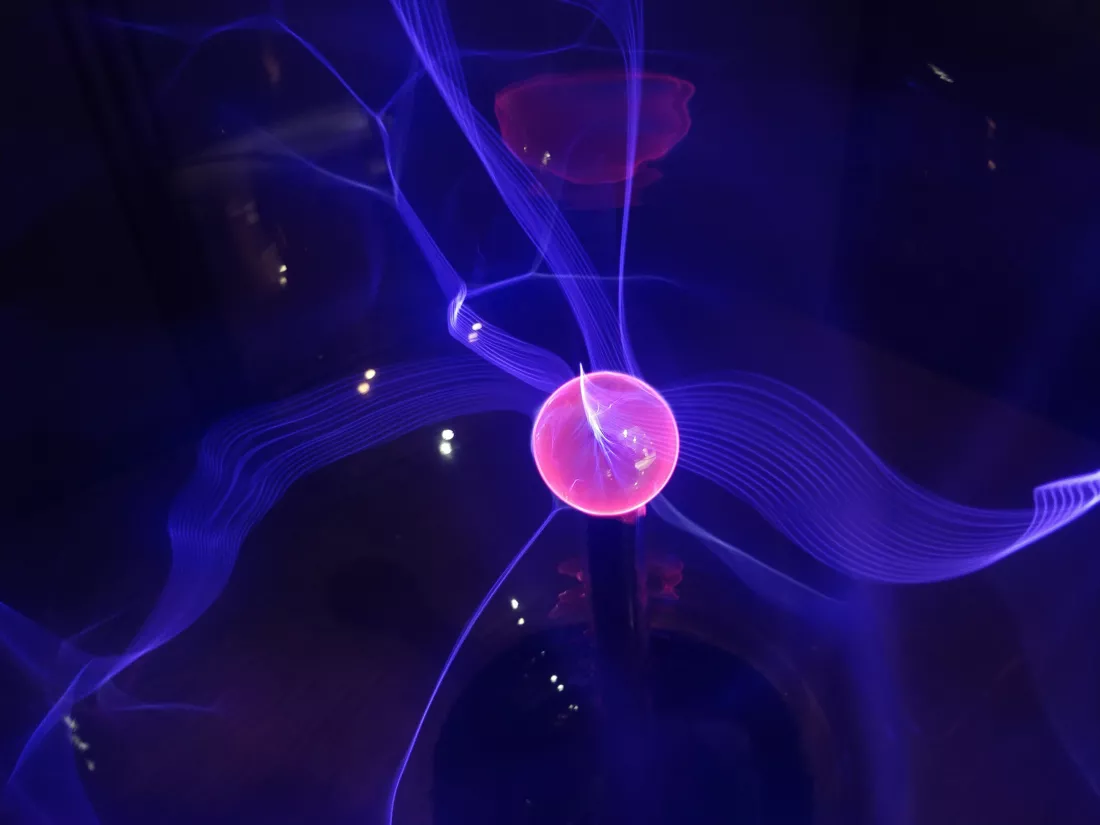
fractal-hassan-XoNj0ulsn1Y-unsplash

Physics at University of Regensburg

Language: German Studies in German
Subject area: physical science, environment
University website: www.uni-regensburg.de
degree: Dr. rer. nat.

Definitions and quotes

Physics
Physics (from Ancient Greek: φυσική (ἐπιστήμη), translit. physikḗ (epistḗmē), lit. 'knowledge of nature', from φύσις phýsis "nature") is the natural science that studies matter and its motion and behavior through space and time and that studies the related entities of energy and force. Physics is one of the most fundamental scientific disciplines, and its main goal is to understand how the universe behaves.
Physics
As soon as we venture on the paths of the physicist, we learn to weigh and measure, to deal with time and space and mass and their related concepts, and to find more and more our knowledge expressed and our needs satisfied through the concept of number, as in the dreams of Plato and Pythagoras.
D'Arcy Wentworth Thompson, On Growth and Form (1917)
Physics
Physicists use the wave theory on Mondays, Wednesdays and Fridays and the particle theory on Tuesdays, Thursdays and Saturdays
William Henry Bragg; quoted in Dictionary of Scientific Quotations by Alan L. Mackay, Institute of Physics Publishing, Bristol, 1994, p. 37 [1]
Physics
All science is either physics or stamp collecting.
As quoted in Rutherford at Manchester (1962) by J. B. Birks
EU-funded scientists successfully developed a system that generates electricity from low-temperature waste heat ranging from 60 to 120 °C. Harnessing low-grade heat should help to significantly mitigate the negative environmental impact of industrial plants.
Privacy Policy
