A forest is a large area dominated by trees. Hundreds of more precise definitions of forest are used throughout the world, incorporating factors such as tree density, tree height, land use, legal standing and ecological function. According to the widely used Food and Agriculture Organization definition, forests covered 4 billion hectares (9.9×10⁹ acres) (15 million square miles) or approximately 30 percent of the world's land area in 2006.
A man wants no protection when his conduct is strictly right.
William Murray, 1st Earl of Mansfield, Bird v. Gunston (1785), 3 Doug. 275; reported in James William Norton-Kyshe, Dictionary of Legal Quotations (1904), p. 212.
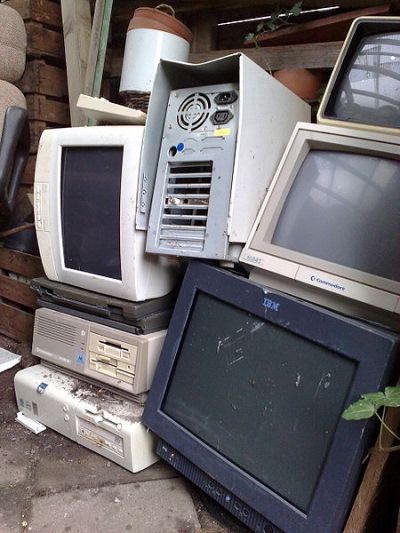
An innovative recycling programme aims to both reduce electronic waste and recover critical rare earth metals through recycling of flat panel displays (FPDs).


 EN
EN 
 CS
CS DE
DE ES
ES FR
FR HU
HU IT
IT PL
PL PT
PT РУ
РУ SK
SK TR
TR УК
УК AR
AR 中文
中文