Food
Food is any substance consumed to provide nutritional support for an organism. It is usually of plant or animal origin, and contains essential nutrients, such as carbohydrates, fats, proteins, vitamins, or minerals. The substance is ingested by an organism and assimilated by the organism's cells to provide energy, maintain life, or stimulate growth.
Food Technology
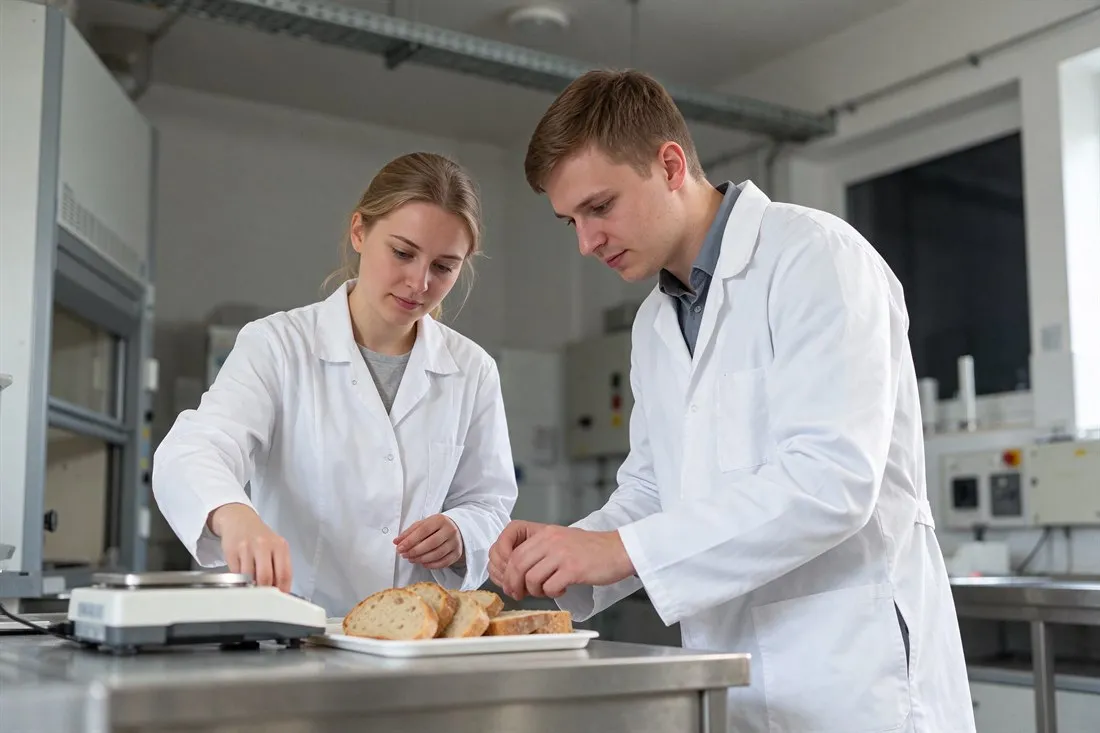
Food technology is a branch of food science that deals with the production processes that make foods.
Nutrition
Nutrition is the science that interprets the interaction of nutrients and other substances in food in relation to maintenance, growth, reproduction, health and disease of an organism. It includes food intake, absorption, assimilation, biosynthesis, catabolism, and excretion.
Technology
Technology ("science of craft", from Greek τέχνη, techne, "art, skill, cunning of hand"; and -λογία, -logia) is first robustly defined by Jacob Bigelow in 1829 as: "...principles, processes, and nomenclatures of the more conspicuous arts, particularly those which involve applications of science, and which may be considered useful, by promoting the benefit of society, together with the emolument [compensation ] of those who pursue them" .
Technology
I have argued above that we cannot prevent the Singularity, that its coming is an inevitable consequence of the humans' natural competitiveness and the possibilities inherent in technology. And yet … we are the initiators. Even the largest avalanche is triggered by small things. We have the freedom to establish initial conditions, make things happen in ways that are less inimical than others. Of course (as with starting avalanches), it may not be clear what the right guiding nudge really is...
Vernor Vinge, The Coming Technological Singularity (1993)
Technology
Engineering or Technology is the making of things that did not previously exist, whereas science is the discovering of things that have long existed.
David Billington, The Tower and the Bridge: The New Art of Structural Engineering (1983), 9.
Food
Dis-moi ce que tu manges, je te dirai ce que tu es.
Tell me what you eat, and I shall tell you what you are.
Der Mensch ist, was er ißt.
Man is what he eats.
Ludwig Andreas Feuerbach, Die Naturwißensschaft und die Revolution [Natural science and the revolution] (1850), repeated in Das Geheimnis des Opfers, ober der Mensch ist was er ißt [The mystery of sacrifice, or man is what he eats] (1862)[1]
Man is what he eats.
Victor Lindlahr, You Are What You Eat: how to win and keep health with diet (1942).