Patras, Greece

Agronomy

Διδακτορικές Σπουδές – Τμήμα Γεωπονίας

Table of contents
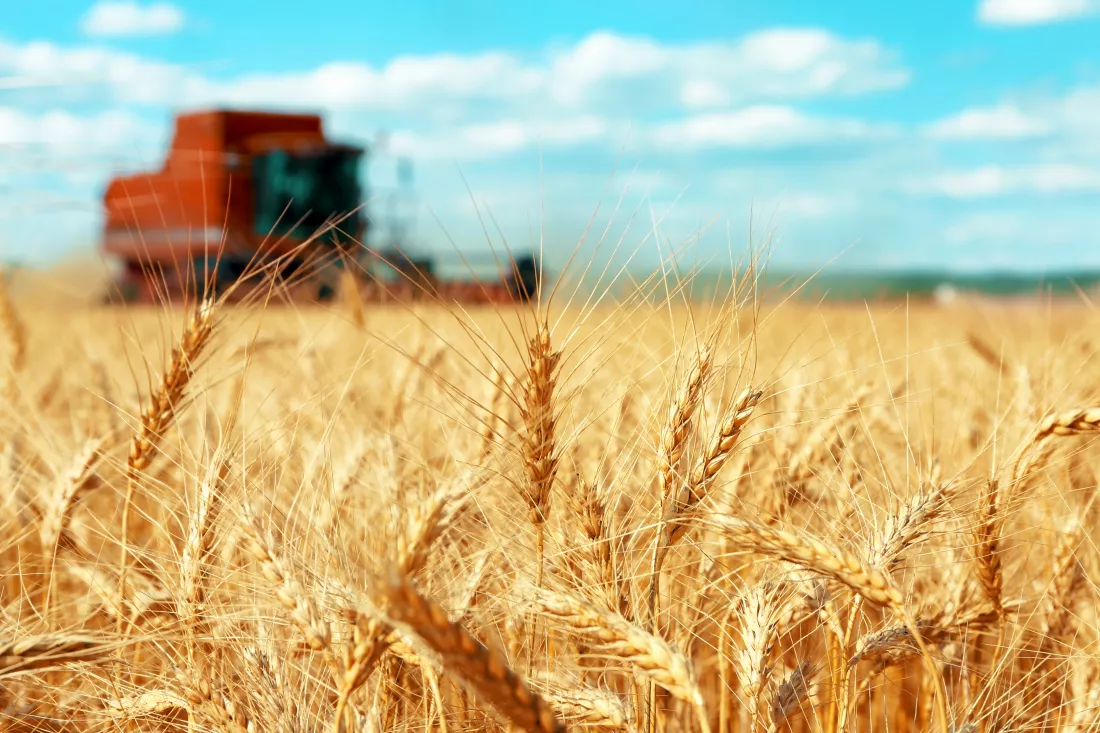
modern-agricultural-equipment-field

⇑Agronomy at University of Patras

Language: Greek Studies in Greek
Subject area: agriculture, forestry and fishery, veterinary
University website: www.upatras.gr/en/
Τύπος: Πρόγραμμα Διδακτορικών Σπουδών (ΠΔΣ) του Τμήματος
Πεδίο: Γεωπονικές επιστήμες
Τίτλος: Διδάκτορας (PhD)
Διάρκεια: τουλάχιστον 3 έτη

⇑Definitions and quotes

Agronomy
Agronomy (Ancient Greek ἀγρός agrós 'field' + νόμος nómos 'law') is the science and technology of producing and using plants for food, fuel, fiber, and land reclamation. Agronomy has come to encompass work in the areas of plant genetics, plant physiology, meteorology, and soil science. It is the application of a combination of sciences like biology, chemistry, economics, ecology, earth science, and genetics. Agronomists of today are involved with many issues, including producing food, creating healthier food, managing the environmental impact of agriculture, and extracting energy from plants. Agronomists often specialise in areas such as crop rotation, irrigation and drainage, plant breeding, plant physiology, soil classification, soil fertility, weed control, and insect and pest control.
Agronomy
Agronomy is the scientific management of land to practice effective soil conservation and to maximize crop production.
Jim Cole, ‎Tony Stankus (2014) Journals of the Century, p. 448.
Agronomy
On M. Thaer's Principes Raisonne's D'agriculture.
The high reputation attached to the author of this publication as a scientific and practical agriculturist, independently of his other claims to consideration, as well as the intrinsic character of the work itself, render it incumbent on us to no. tice it... The work, besides an appendix or atlas of various tables and plates, consists of four large octavo volumes... The second volume makes its appearance, with a long and able preface from the translator, which is in effect a digest of the principles of vegetation, and of agricultural chemistry. The second section is concluded at a very early part of this volume; and the third section commences under the head of agronomy, which, as the translator informs us, should be read with great attention, in order to extract its matter with full advantage to the reader. This section first treats of the component parts of soils, and the author goes deeply into this interesting subject, noticing at considerable length lime, chalk, marl, gypsum, the nature and effects of humus, and its different combinations with the elementary earths and atmospheric influences; and then succeeds a vast deal under the particular head of agriculture (first part), which, in our simplicity, we had imagined to have been essentially the subject on which we had been before engaged. This division comprehends first manures, animal, vegetable, and mineral, a sequence to the "constituent and physical properties of soils and the mode of judging of land," contained in the preceding division — agronomy — but designed principally to explain the modus operandi of manuring substances; with a great deal which seems in some respects a repetition of points previously discussed under the head of agronomy, and which might better have been included in it.
Journal of Agriculture, Vol. 13. W. Blackwood., 1843, p. 475
Agronomy
Biotechnology procedures that permit the easy asexual transfer of genes among microorganisms, when and if mastered for higher plants, hold the potential for transferring desired genes across species, genera, and perhaps family barriers. Let your imagination roam - the high lysine trait from the pigweed might be used to improve the quality of maize protein. 'The resistance of maize to wheat stem rust might be used to make wheat resistant to this disease. The gene for tolerance to Al[uminum] toxicity in wheat might make maize tolerant to Al[uminum]... The future for agronomy is not only bright, but it has no foreseeable bounds.
Kenneth Frey' (1985:188-9) as cited in: Jack Ralph Kloppenburg First the Seed: The Political Economy of Plant Biotechnology (2005).
StudentNews Group Websites for students and future students — in Poland since 2007, across Europe since 2014. Over 50 websites and millions of users a year (Google Analytics). Studies in Europe Universities in Europe Bachelor’s Master’s Doctorate MBA Study guide Work abroad Travel For partners Advertising and cooperation Reach (online report) Contact advertising@studentnews.eu © 2003–2026 Grupa StudentNews.pl sp. z o.o., Modlnica, Poland
Privacy Policy